Effective Self Awareness Practices for Personal Growth

This article shares practical tips for growing personally. It’s based on solid research. About 95% of people think they know themselves well, but only 10–15% really do.
Studies show self awareness practices can make our brains better at feeling our own emotions. This helps us understand ourselves better. We aim to give you tips you can start using today. These tips are backed by science and easy to follow.
We’ve organized the tips into four parts. First, we explain why knowing yourself is important. Then, we share practical ways to improve, like mindfulness and journaling.
We also list tools and resources, like apps and books. And we talk about how to get past obstacles like bias and strong feelings. Our goal is to give you tools that fit into your busy life.
Begin with small steps. Take a deep breath, use the 5-Second Label Trick, or do a quick body scan. These small actions can help you grow in self awareness over time.
Understanding Self Awareness and Its Importance
Self awareness helps us understand our feelings, thoughts, and values. It also shows how we affect others. This part explains key ideas and their benefits. It helps you start developing self awareness with a clear goal.
Definition of Inner Experience
The self awareness definition includes four main areas. Knowing your values, passions, and goals is internal self-awareness. How others see you is external self-awareness. Mindful self-awareness is about observing now without judgment.
Social self-awareness helps you understand group dynamics and your place in them. This framework connects understanding yourself to making changes. It lets you change habits by recognizing and changing beliefs and emotions.
This process calms the mind and body. It lowers stress and improves how you feel.
Benefits of Clear Self-Knowledge
Knowing the benefits of self awareness makes it worth doing. People who are self aware make better choices. They handle emotions better and bounce back from hard times faster.
They also have healthier relationships and learn better. Mindful moments help you react less impulsively. Setting goals that match your values boosts your motivation and effort.
Common Misunderstandings
Many think self awareness is just one thing or is too hard. It’s not. It needs looking inside and outside yourself. Just looking inside can miss important things. Only looking outside can make you try too hard to please others.
Some think mindfulness means long sessions. But research shows short moments can be very helpful. Balancing all four types of self awareness helps you grow steadily.
Practical Self Observation Methods
- Keep a brief daily log of feelings, triggers, and choices to spot patterns.
- Use short mindfulness checks during the day to note breath and body signals.
- Solicit specific feedback from colleagues or friends about your impact.
- Practice naming emotions aloud to recruit executive control and calm reactivity.
Techniques to Enhance Self Awareness
Getting to know yourself better needs daily practice. Here are simple ways to do it, even when you’re busy. These methods mix mindfulness, self reflection, and self discovery to help you grow.

Mindfulness Meditation
- Label your feelings in 5 seconds to feel less intense by up to 50%.
- Do a body scan from top to bottom to feel sensations; short scans can calm you down.
- Watch your thoughts with the Thought Stream Technique to understand them better.
- Spot patterns with Pattern Mapping and Mirror Moments to know your triggers.
- Check your values in 30 seconds or at night to guide your choices.
- Change your view with STOP, H.A.L.T., or a mountaintop metaphor to react less.
- Use mindful moments with habit stacking and sensory check-ins; apps like The Mindfulness App can help.
Journaling Practices
Journaling is a great way to reflect on your thoughts and feelings.
- Write down your top values, rate them, and plan a small action to align with them.
- Do Mirror Moments after meetings to note patterns in interactions.
- Log your triggers, reactions, and outcomes with Pattern Mapping to see patterns.
- Reflect on three moments that changed your mood at night.
Keeping a journal helps you understand your habits, set goals, and check on yourself regularly.
Seeking Feedback from Others
Getting feedback from others can help you see things you might miss.
- Listen to feedback without defending, say “thank you,” and reflect later.
- Try 360-degree feedback at work or after social events to get different views.
- Do monthly self-awareness audits to rate different areas and focus on the weakest one next month.
Use outside feedback wisely, keeping your values in mind to avoid pretending to be someone you’re not.
Engaging in Reflective Thinking
Reflective thinking helps you learn by reviewing your actions and motives.
- Make time to reflect after big changes, like the end of the workday or after meetings.
- Use the Thought Stream Technique and decentering exercises to see thoughts as temporary.
- Review your values-aligned goals weekly to break them down into smaller steps.
Combine structured reflection with learning and self-insight to grow and overcome limits.
Tools and Resources for Developing Self Awareness
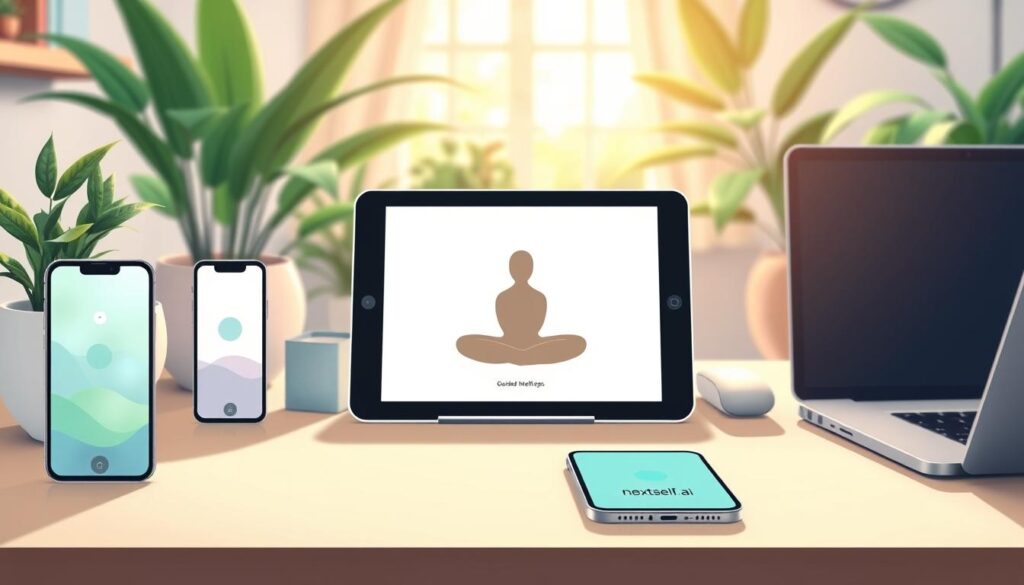
Practical resources help you learn faster and keep up with self work. Here are some tools for daily practice, deep reflection, and growth. Mix short activities with longer programs to stay on track.
Apps for Mindfulness and Reflection
Try The Mindfulness App for structured sessions and habit tracking. Headspace and Calm offer body scans and emotion guides for busy times.
- Use short guided sessions for daily micro-practices.
- Set reminders for sensory check-ins to stay aware.
- Choose programs for beginners or advanced users to build a routine.
Workshops and Online Courses
Immersive formats help you see things clearly. The Hoffman Process is a week-long experience for deep insights. Shorter options include MBSR and emotional intelligence workshops.
- Look for courses on Coursera, Udemy, or LinkedIn Learning with guided reflection.
- Prioritize programs with practical exercises and emotional regulation frameworks.
- Combine a workshop with self discovery tools to reinforce progress.
Books and Literature on Self Improvement
Read foundational works to support your practice. Jon Kabat-Zinn and Daniel Goleman offer research-backed insights for daily life.
- Pair reading with applied exercises like journaling prompts and values audits.
- Integrate insights into SMART goals to turn reflection into action.
- Rotate books with practical self discovery tools to keep learning fresh.
Use a mix of mindfulness apps, workshops, books, and simple activities. Balance guided practice with reflective tasks and measurable practices for steady growth.
Overcoming Barriers to Self Awareness
Blind spots happen when you ignore what others say. Use a four-type framework to spot bias. This includes noticing when you ignore feedback or social cues.
Monthly self-awareness audits help find gaps. Pattern Mapping shows how habits hide beliefs. Asking for feedback and doing short exercises can change you.
Identifying Personal Biases
Try self observation methods like monthly audits and Pattern Maps. Rate how often you listen to your inner voice versus outside evidence. Use prompts to test your assumptions.
These methods make hidden narratives visible. They also reduce automatic defensiveness.
Strategies for Managing Emotional Responses
Use evidence-based tactics to manage emotions. Start by naming your feelings to reduce their power. Use the STOP method and brief body scans to notice tension.
Do H.A.L.T. checks to prevent reactive choices. For anxious beginners, start with deep breathing or a 30-second observation. Use guided meditations to build comfort.
Practice metacognitive reframing and break goals into small steps. This builds resilience and emotional intelligence.
Building a Supportive Environment
Self awareness needs supportive relationships and structure. Build honest, respectful relationships for clear feedback. Set firm boundaries to avoid burnout.
Use accountability partners, peer groups, and coaches for deeper work. Consider programs like Mindfulness-Based Stress Reduction for intensive practice. Habit design keeps momentum.
Combine techniques, tools, and supportive contexts for lasting change. Use SMART-aligned goals and frequent micro-practices. Feedback loops and consistent learning make self reflection a habit.
Integrate physical wellbeing for better cognitive clarity. This makes managing emotions more reliable in daily life.